“Rule and Exception” framework
You can use it for anything that wants to feel special, iconic or worth breaking a norm for.
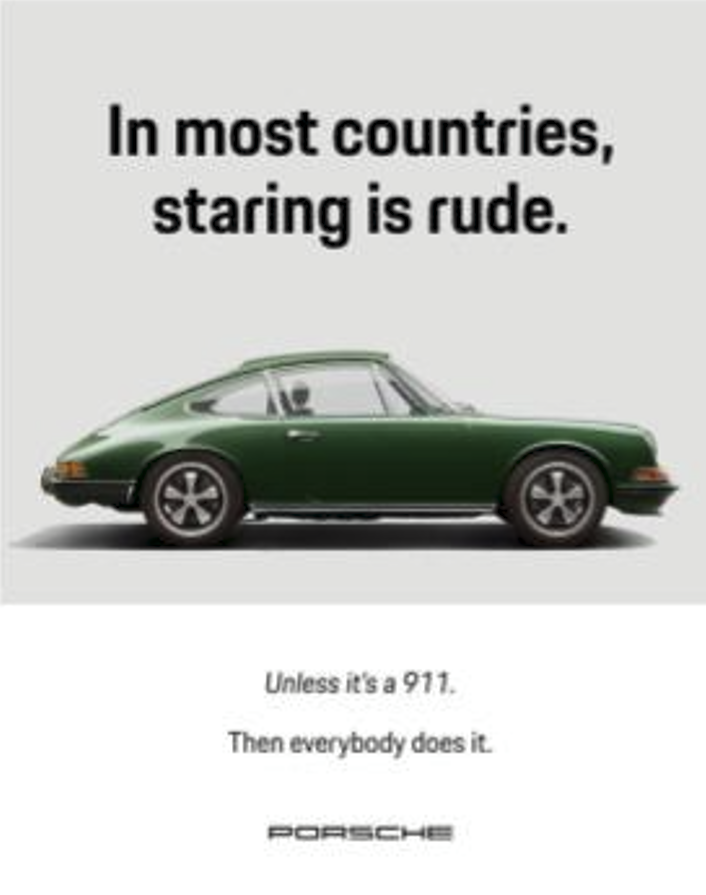
Let’s Try the “Rule and Exception Framework” for your product.
Name of The Product:

Get to know the details of the “Rule and Exception” framework.
You can use it for anything that wants to feel special, iconic or worth breaking a norm for.
1. Structural breakdown of the Porsche ad
Approx line:
“In most countries, staring is rude.
Unless it is a 911. Then everybody does it.”
a) Starts with a shared social rule
“In most countries, staring is rude.”
-
It states a norm everyone knows.
-
You nod in agreement. It feels universal and true.
b) Then carves out a tiny, flattering exception
“Unless it is a 911. Then everybody does it.”
-
The car is positioned as the exception to the rule.
-
It does not say “the 911 is beautiful.”
-
It implies “this is so special that normal rules bend around it.”
c) Makes you finish the compliment in your own head
You mentally fill in things like:
-
“It is that good looking.”
-
“It is worth staring at.”
-
“It has that kind of presence.”
The ad never says any of this.
You do the bragging for the brand.
d) Uses light, conversational wit
It feels like a cheeky observation, not a sales pitch.
That tone makes the brag more acceptable.
So the hidden pattern is:
State a familiar rule or belief.
Claim your product as the rare exception.
Let the audience infer the praise.
2. How this framework works?
Call it the “Rule and Exception” framework.
You can use it for anything that wants to feel special, iconic or worth breaking a norm for.
Step A. Find the rule
Look for things like:
-
Social etiquette
“It is rude to stare.”
“You are not supposed to talk about money.” -
Common advice
“You get what you pay for.”
“You cannot have it fast and good.” -
Emotional beliefs
“Workouts are supposed to hurt.”
“Healthy food is boring.”
The key is that people should instantly recognize it as true.
Format examples:
-
“Everyone says [rule].”
-
“Normally, [doing X] is [bad / awkward / hard].”
-
“In most places, [behavior] is not OK.”
Step B. Place your product as the exception
Now you write a short second sentence:
-
“Unless it is [your product / category].”
-
“Except when it is [your product].”
-
“Unless you are using [product].”
Then tag on a simple behavior or reaction:
-
“Then everybody does it.”
-
“Then people cannot stop talking about it.”
-
“Then the rule goes out the window.”
Step C. Make sure the exception implies a flattering truth
The line should hint at something, without saying it:
-
Beauty or desirability
-
Comfort or pleasure
-
Status or pride
-
Serious usefulness
If the rule is “You should not X,”
your exception implies “this is so good you do it anyway.”
Step D. Keep the language very simple
Short, everyday words.
The cleverness comes from the turn, not from fancy vocabulary.
3. Examples in other categories
To show it is reusable, here are non vehicle examples using the same structure.
Example 1. Streaming service
Rule:
“Most people say you should watch less TV.”
Ad using framework:
Most people say you should watch less TV.
Unless it is this good. Then no one complains.
Implied truth:
Content is so high quality it feels worth the time.
Example 2. Fancy coffee shop
Rule:
“People hate waiting in line.”
Ad:
People hate waiting in line.
Unless it is for their favorite coffee. Then they post it on stories.
Implied truth:
The coffee is worth the wait and is “social media worthy.”
Example 3. Kids museum or experience
Rule:
“Kids cannot sit still.”
Ad:
Kids do not usually stare at the same thing for ten minutes.
Unless it is this exhibit.
Implied truth:
The exhibit is astonishing for children.
Example 4. B2B tool
Rule:
“People hate learning new software.”
Ad:
Nobody likes learning a new tool.
Unless it cuts their workday by an hour. Then they ask for it.
Implied truth:
Your tool saves so much time that people embrace the change.
Other Frameworks:
You can choose other framework in case you think they will apply better to your product
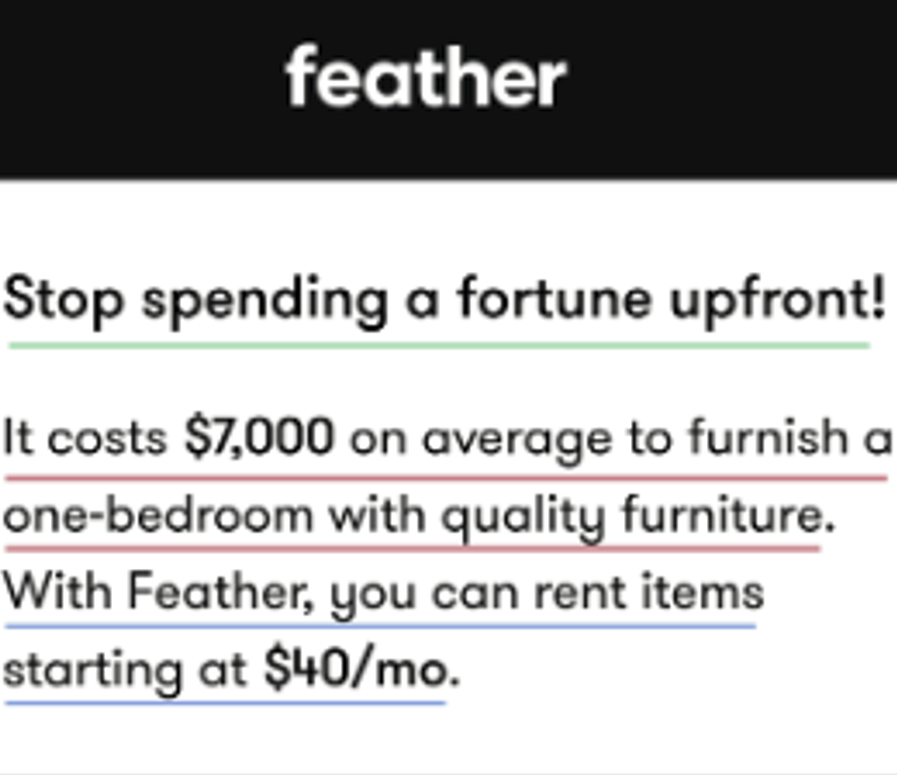
“Big Number vs Small Number” framework.
You can use it anywhere money or effort is a barrier.
Examples:
“It usually costs [Big Number] to [do outcome].
With [Brand], you can [do outcome] from [Small Number].”
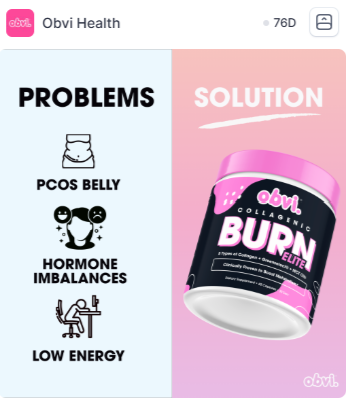
“The Problem Stack Split-Screen” Framework
Use this when your product solves a small cluster of pains and you want to position it as the simple answer.
Pattern:
Stack the pains → spotlight the one fix.